AFTA Projects
AFTA is most grateful for government grant assistance which allows us to promote recreational fishing across different platforms. Some of our recent projects are shown below.
NSW Schools Project
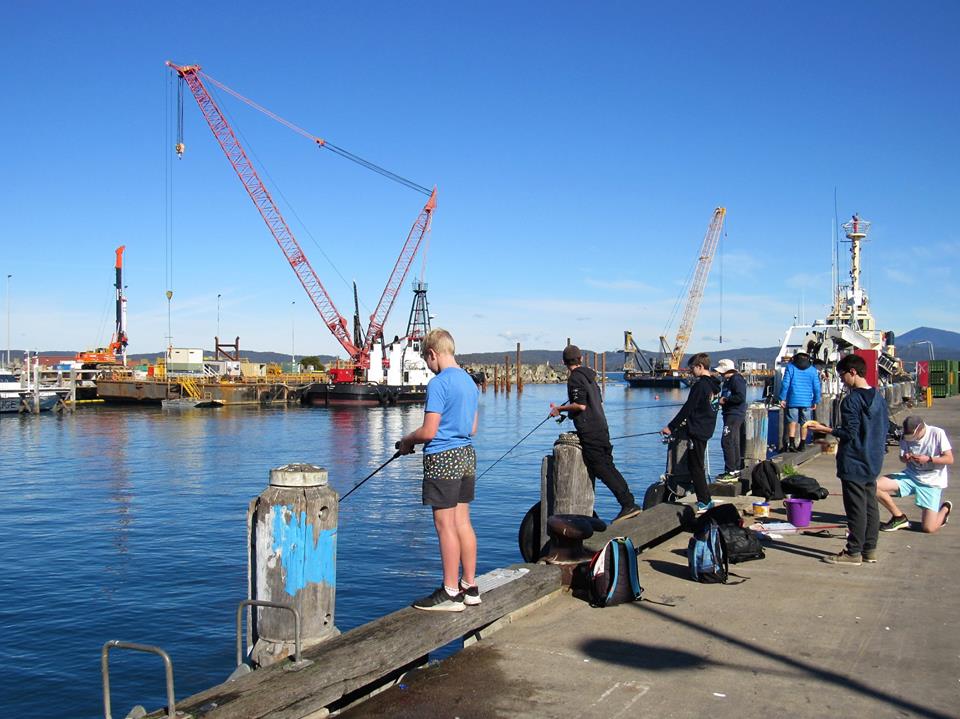
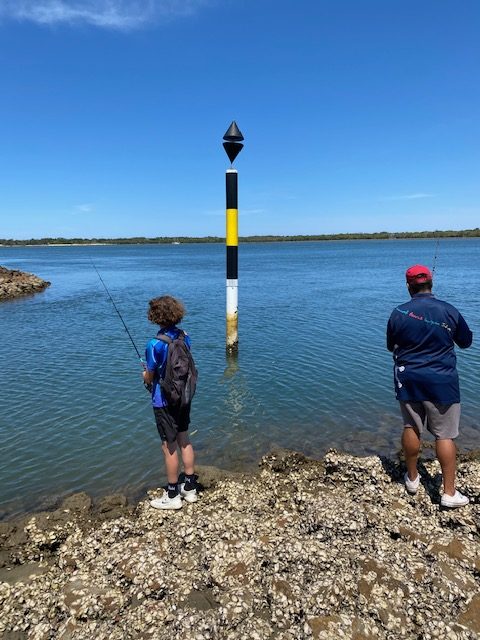
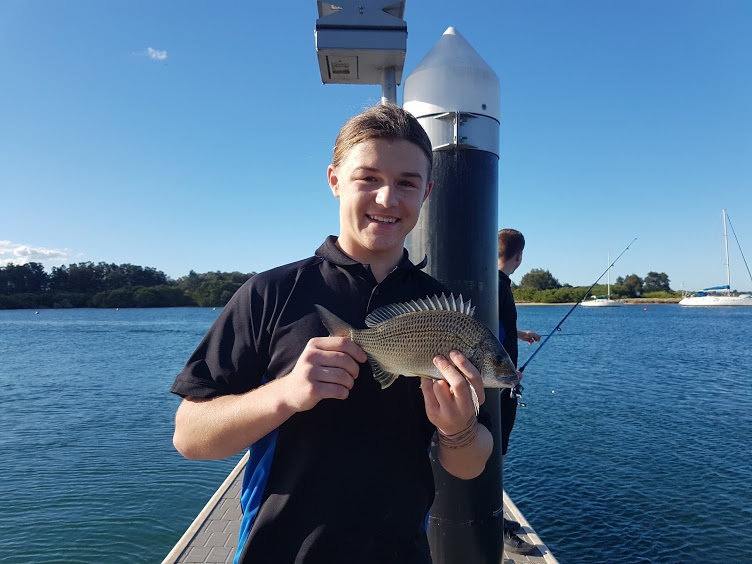
Let’s Go Fishing – Educating School Children on the
Sustainable Benefits of Recreational Fishing
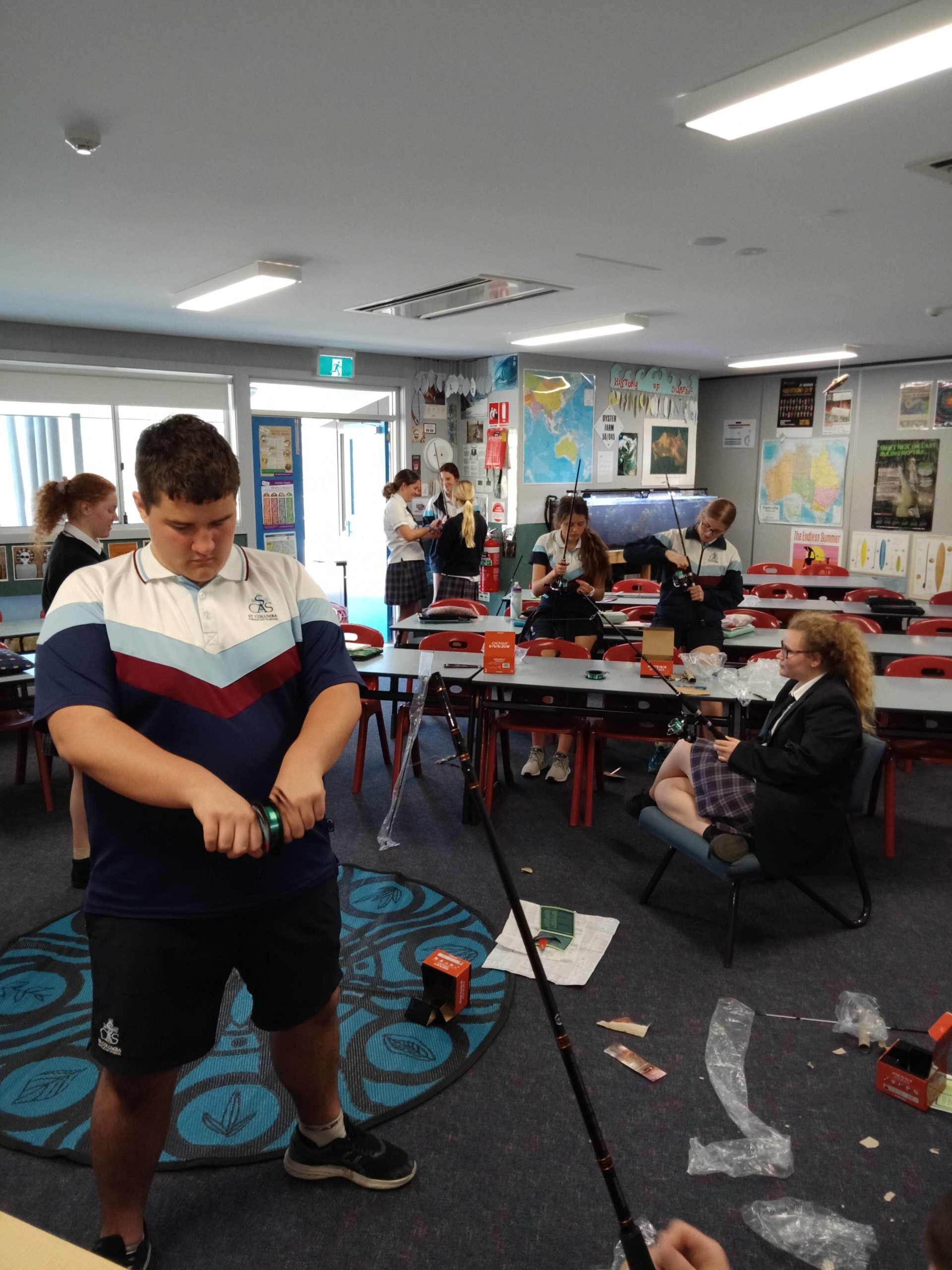
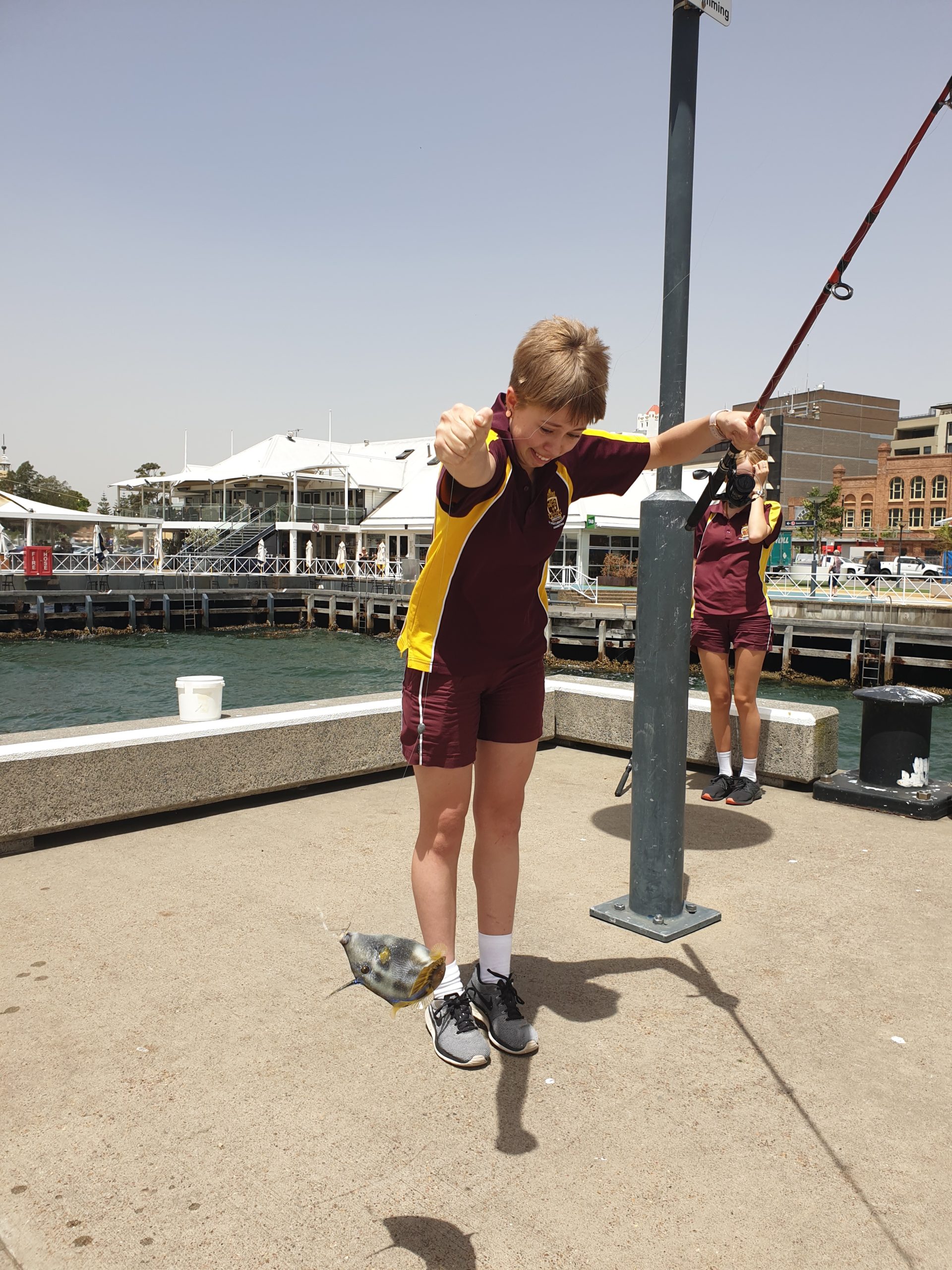
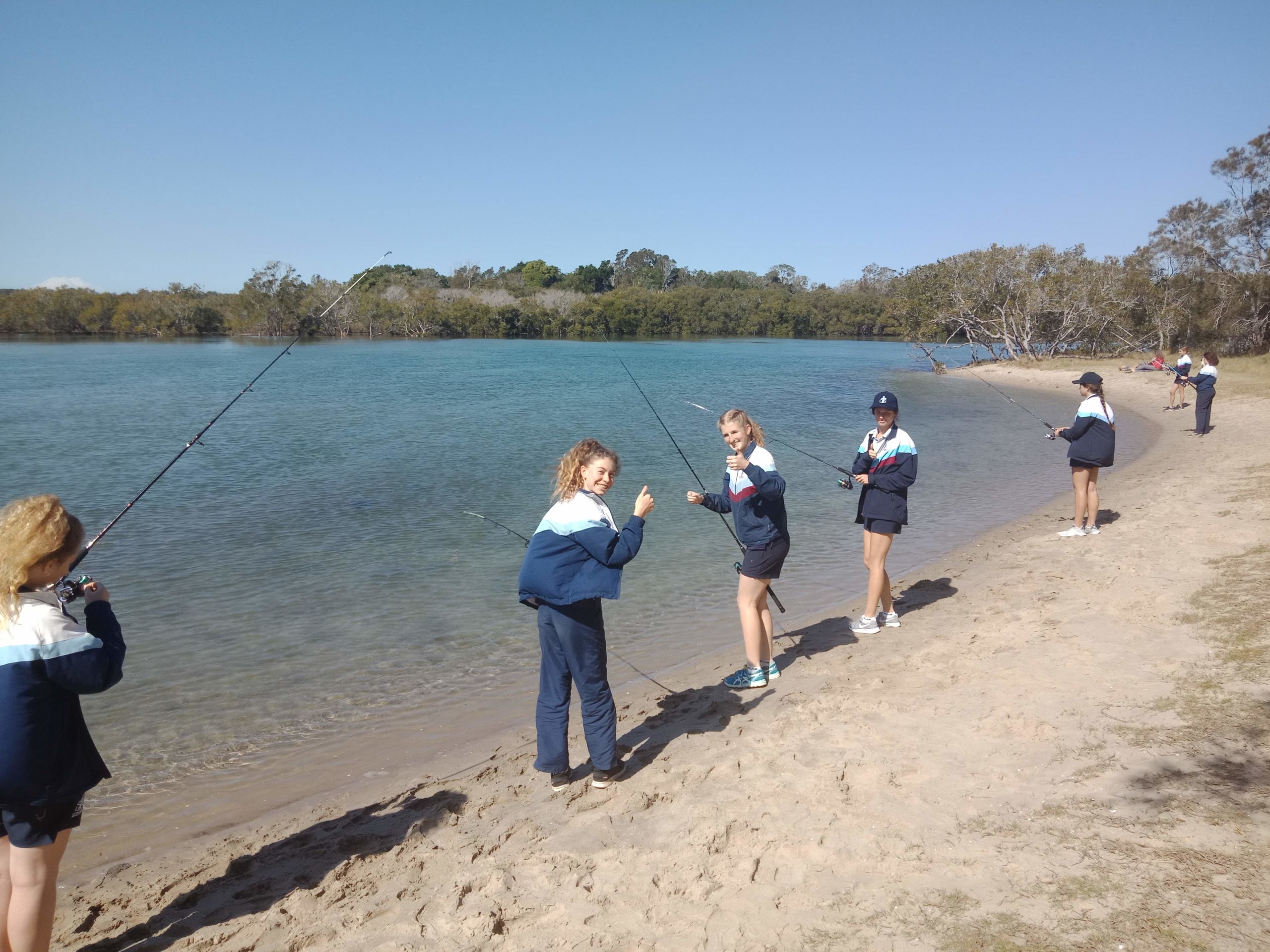
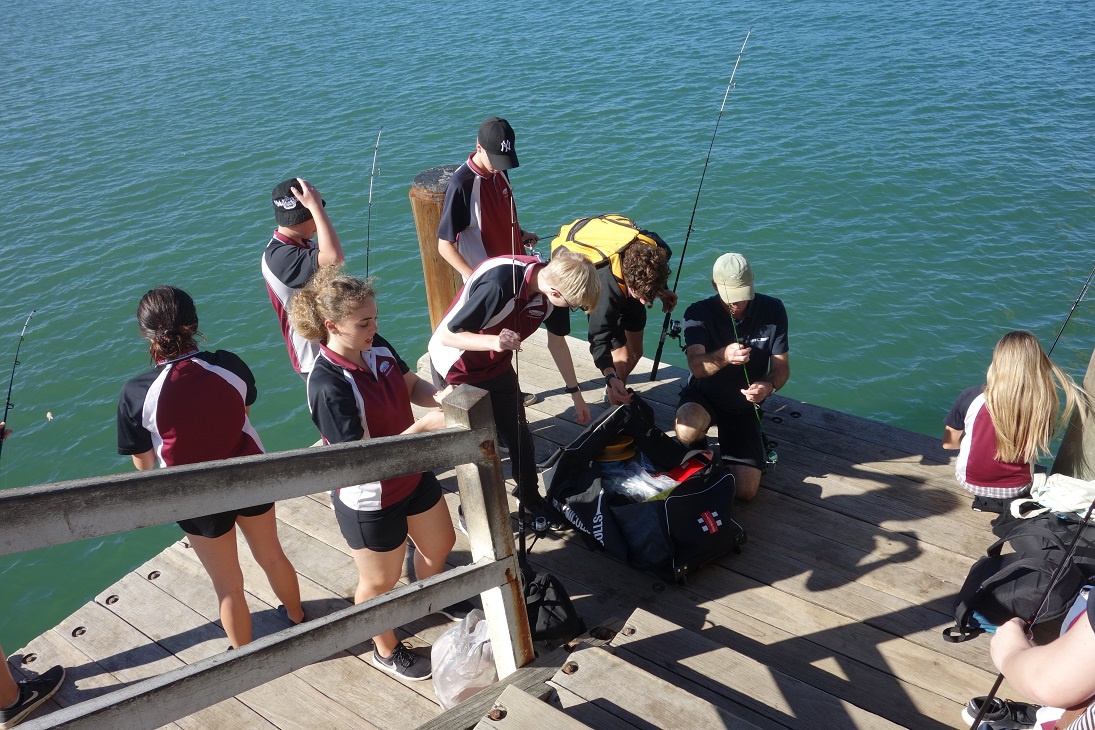
 This program first began in 2016, there have been three phases completed to date. AFTA has been able to provide 69 NSW schools with fishing tackle kits, to use in their marine studies programs. These kits were made up of various items including, Rods, Reels, Tackle Boxes, Tape Measures, Lip Grips, Scales, Brag Mats, Yabby Pumps, Hook Removers, Monofilament Line, Soft Plastics/Lures, Gloves, Hand Reels, Hooks, Sinkers, Swivels, Landing Nets, Pliers, Tackle Bags and Hats.
Many schools are under-resourced and before this program, only the students who own fishing gear were able to participate practically. The marine studies teachers have been very grateful and appreciative of the gear kits. These kits have given each student the chance to participate, learn and hopefully develop a lifelong love of fishing.
 A six-part beginner video series and accompanying Question and Answer sheets developed during Phase 3 were distributed to all 127 schools that are members of the Marine Teachers Association. The videos were well received by both teachers and students alike. Teachers have commented that even the students who knew about fishing, loved watching and learning from the videos. They have requested further videos aimed at an intermediate level of fishing so they may extend their programs further.
Phase 4 of the program rolled out in late 2022 has provided more complete fishing gear kits as well as top-ups to existing school kits to a total of 83 schools. All members of the Marine Teachers Association were given access to the new six-part intermediate video series and accompanying Question and Answer Sheets. The beginner video series focused on the basics with topics of Choosing Your Gear, Setting Up Your Rod and Reel, Knots & Rigs, Baiting Up, Casting and Catching Fish. The intermediate series takes it to the next stage with tips on catching on specific fish or fishing areas; Bream, Flathead, Whiting, Beach, Estuary and even fishing with Soft Plastics.
This project is a joint initiative of the Marine Teachers Association of NSW, the NSW Recreational Fishing Trust and AFTA.
Click here to read some thoughts about the program from the MTA in 2021.
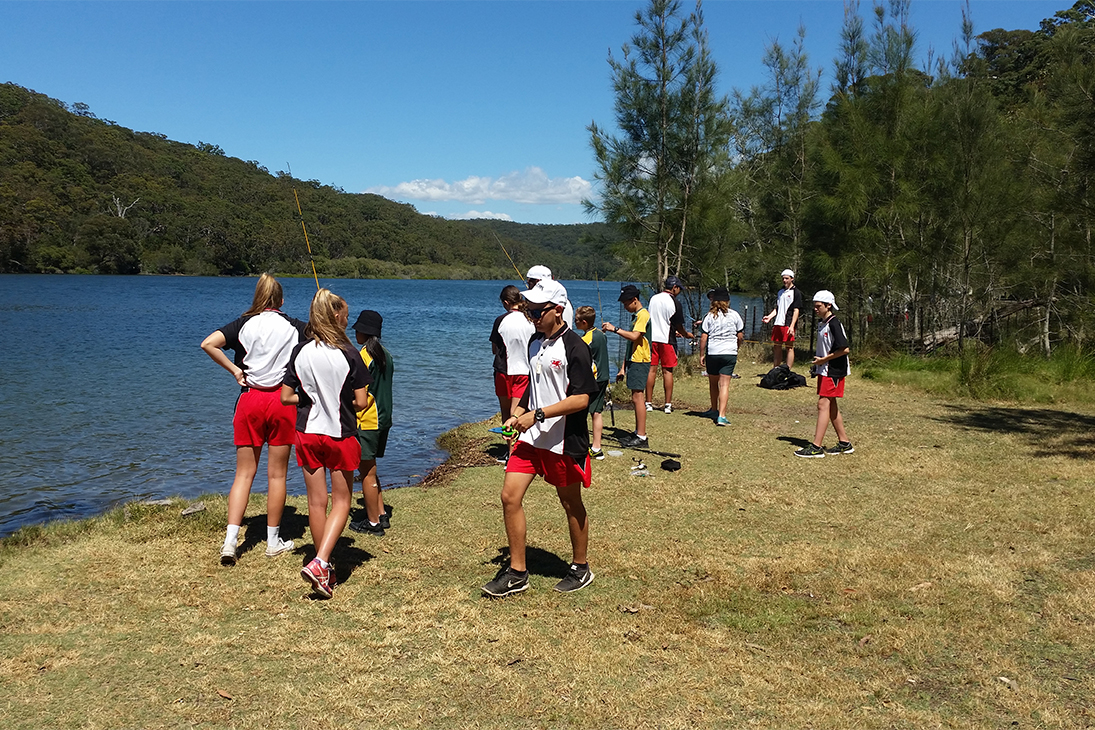
Series 1 of the Let’s Go Fishing educational videos can be viewed below
Indigenous Youth Mobility Pathways –
Recreational Fishing Cultural Exchange Program
This program offered four separate workshops during 2021, presented in Rockhampton, Cairns, Townsville and Brisbane. The program trained 103 indigenous youth leaders in modern recreational fishing techniques. In turn, they taught our presenters about traditional fishing techniques.
The short video below speaks volumes with regard to the success of this project, which has been a joint initiative of IMYP, the Queensland Government and AFTA.
For further information on IMYP please visit their website.
The indigenous participants were from all over QLD, from Mt Isa in the west to the Torres Straight and Palm Islands in the north to Thargomindah South, and they all had some traditional fishing skills. However, they found it hard to fish when they had come to regional centres where the fish were harder to catch. Methods that they had successfully used in their traditional lands failed. During the workshops, it was verbalised many times that their newfound skills would be used for recreation at a later date. We were receiving pictures of fish caught by participants just days after the workshops.
The cultural exchange was fantastic; to hear from the elders of each area about their deep connection to the water and the fishery is something that everyone in the recreational fishing industry should listen to and help us understand.
The indigenous people were our first anglers, and many fishing spots have indigenous names. The names often refer to the local fish or landscape.
We also learnt how to;
• make rope from the beach hibiscus
• choose the wood for spears
• use a soap bush to deoxygenate the water in billabong to harvest the fish
It was great to give back via modern techniques that help increase catch rates and ease of involvement in recreational fishing. We as an industry have a lot to learn from indigenous fishers and a lot to give simultaneously.
It was fairly relevant that all of these camps happened over/around reconciliation week.
The Let’s Fish Australia campaign is a series of social media clips encouraging families, friends and newcomers to get out there and wet a line.
The themes of the project focus on fishing being a perfect choice for fun, relaxation, togetherness, enjoying nature and mental health.
Let’s Fish Queensland
Phase 1 of the Let’s Fish Australia campaign begins in Queensland.
There are nine social media clips available below for you to download. All parties interested in promoting recreational fishing in Queensland are encouraged to share on your social media channels.
This project is a joint initiative of the Queensland Government and AFTA.
To download these clips for you to share on your social networks, please click here.
Let’s Fish South Australia
Phase 2 of the Let’s Fish Australia campaign rolled out in South Australia.
There are eleven social media clips available below for you to download. All parties interested in promoting recreational fishing in South Australia are encouraged to share on your social media channels.
This project is a joint initiative of the South Australian Government, SA Health’s Open Your World, RecFish SA and AFTA.
To download these clips for you to share on your social networks, please click here.
Let’s Fish New South Wales
Phase 3 of the Let’s Fish Australia campaign rolled out in New South Wales.
There are nine social media clips available below for you to download. All parties interested in promoting recreational fishing in New South Wales are encouraged to share on your social media channels.
This project is a joint initiative of the New South Wales Government’s Recreational Fishing Trust and AFTA.
To download these clips for you to share on your social networks, please click here.
Let’s Fish Australia
Phase 4 of the Let’s Fish Australia campaign is for use in Victoria, Tasmania, Western Australia, Northern Territory and the Australian Capital Territory.
There are twelve social media clips available below for you to download. All parties interested in promoting recreational fishing in Australia are encouraged to share on your social media channels.
This project is an initiative of the Australian Fishing Trade Association.
To download these clips for you to share on your social networks, please click here.